


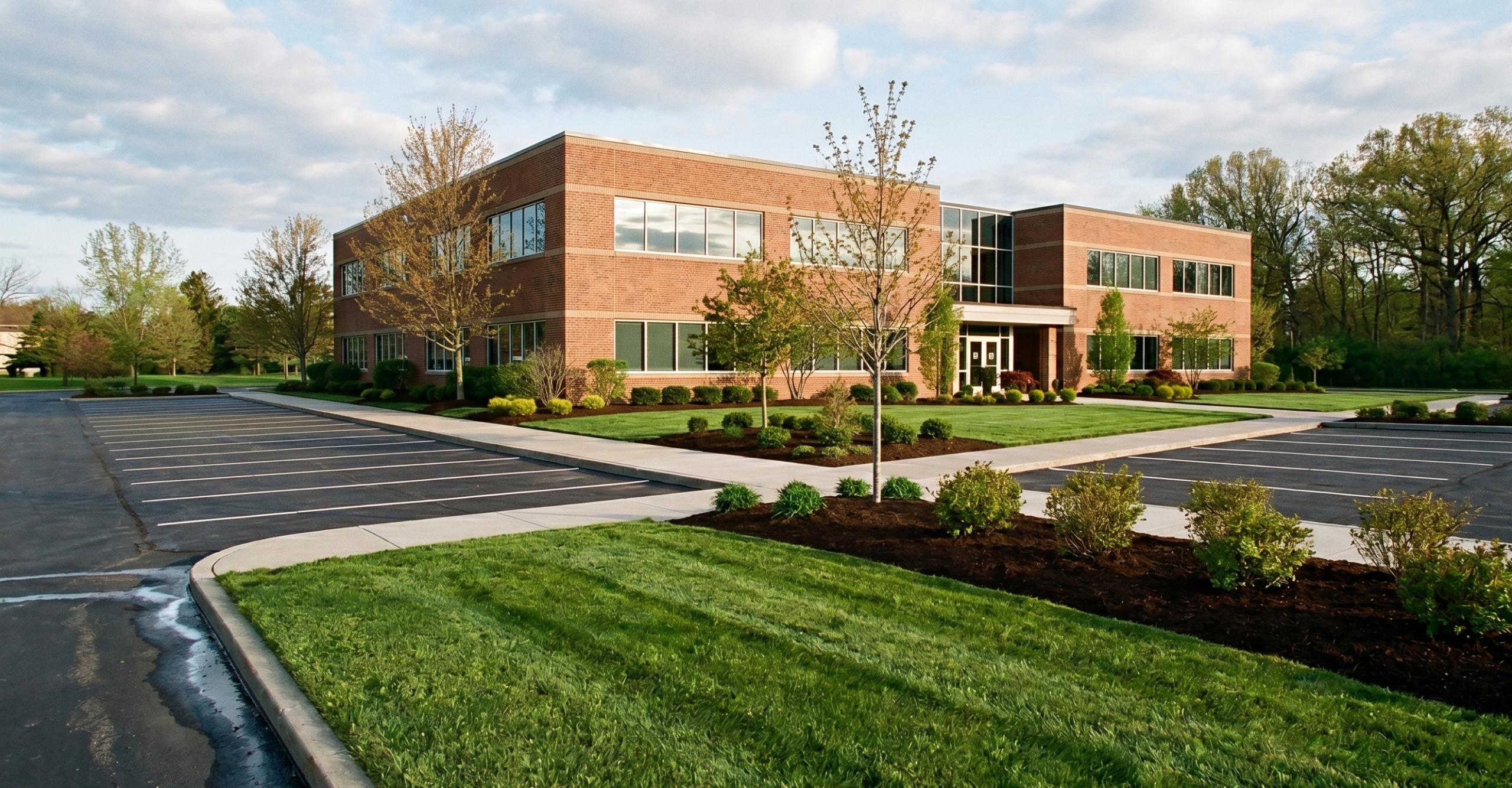
Navigating the volatile weather of Western New York requires a proactive strategy to keep commercial properties safe, accessible, and visually appealing. For local enterprises, choosing comprehensive year-round maintenance plans for Buffalo businesses is not just about aesthetics—it is a critical operational safeguard. From the heavy lake-effect snows of January to the humid growing spikes of July, a commercial property’s exterior acts as its first digital and physical handshake.
At 10x Landscaping, we engineer tailored commercial property solutions built specifically for Buffalo’s microclimates. Managing a site in Amherst or Williamsville demands a completely different approach than maintaining a shopfront in the Southtowns or downtown Buffalo. This comprehensive operational blueprint details how a structured, four-season property plan shields your business from liability, preserves your capital infrastructure, and enhances your local market presence.
1. Spring Awakening: Recovery and Foundation Building
The transition from a brutal Buffalo winter to early spring requires an aggressive physical intervention. Salt accumulation, heavy snowplough footprints, and deep soil compaction can leave a commercial landscape suffocating and structurally compromised.
Winter Debris Clearance ──> Deep Core Aeration ──> Structural Edging & Hardwood Mulching
Commercial Turf De-Thatching and Silt Extraction
As snowbanks melt along major transit corridors like Transit Road or Delaware Avenue, they leave behind thick layers of heavy salt residue, gravel, and compacted organic thatch. Our spring protocols begin with mechanical de-thatching and deep debris extraction to allow the underlying soil profile to breathe.
Soil Testing and Custom Nutrition Profiles
Buffalo soils frequently suffer from heavy clay composition and severe pH imbalances caused by winter calcium chloride runoff. We conduct localized core soil testing to formulate high-efficiency, slow-release nitrogen fertilizers and specific lime treatments. This stabilizes soil chemistry, promoting deep root development before the summer heat arrives.
Structural Edging and Hardwood Mulching
Beyond visual crispness, deep mechanical spade edging creates a functional barrier that manages heavy spring stormwater runoff. We apply a premium, double-shredded hardwood mulch layer precisely two inches deep. This standard acts as an organic weed suppressant and critical moisture regulator, protecting shallow root zones from sudden temperature swings.
Frequently Asked Questions
Q: How does winter salt runoff affect my commercial turf, and how do you fix it?
A: Rock salt (sodium chloride) and calcium chloride draw moisture away from grass roots and disrupt soil structure, leading to dead zones along driveways and walkways. We neutralize this by applying gypsum or specialized lime treatments that displace the sodium and restore vital nutrient pathways.
Q: When do spring cleanups typically begin for Buffalo businesses?
A: Ground conditions dictate our exact timeline, but we generally launch spring operations in late March or early April as soon as the ground thaws and dries enough to support equipment without causing soil compaction.
2. Summer Optimization: Turf Health and Water Conservation
Summer in Western New York brings intense humidity and rapid turf growth spikes. Without a disciplined agronomic approach, commercial properties risk suffering from nutrient depletion, turf diseases, and escalating water costs.
High-Frequency Precision Mowing Regimens
We adjust our commercial mowing heights dynamically based on real-time heat indices. During peak growth weeks, turf is maintained at a taller 3.5-inch profile. This standard promotes shade over the root systems, reduces evaporation stress, and prevents opportunistic weeds like crabgrass from establishing dominance.
Advanced Irrigation Management and Conservation
Water conservation is built directly into our commercial property workflows. Our certified technicians audit, calibrate, and program commercial irrigation controllers to align with seasonal evaporation rates. By managing zone scheduling and utilizing smart rain sensors, we eliminate water waste while ensuring deep, targeted root hydration.
Integrated Pest Management (IPM) and Weed Eradication
Instead of applying broad, unnecessary chemical blankets across your property, our team utilizes target-specific Integrated Pest Management (IPM). We constantly scout for local turf challenges, such as grub infestations or broadleaf encroachment, neutralizing threats before they alter the visual footprint of your corporate campus or retail plaza.
Frequently Asked Questions
Q: Why do you keep the grass longer during the peak summer months?
A: Cutting grass too short during hot periods strains the plant. Keeping the turf at 3.5 inches allows the blades to shade the soil, keeping the root system cooler, retaining critical moisture, and naturally blocking weed seeds from germinating.
Q: How often should our commercial irrigation systems be audited?
A: We conduct monthly inspections throughout the summer. This ensures that broken heads are replaced immediately, zone timing is continually adjusted for actual rainfall, and your property avoids costly water waste.
3. Autumn Preparedness: Structural Fortification and Debris Mitigation
Fall in Buffalo is a race against time. Late-season property management focuses heavily on clearing organic debris and preparing trees, shrubs, and turf to withstand sub-zero winter dormancy.
High-Volume Leaf Collection and Organic Recycling
Accumulated leaf layers on asphalt parking lots and pedestrian walkways pose immediate slip-and-fall hazards when wet. Our high-capacity vacuum leaf collection systems ensure clear sightlines and clean surfaces. Collected organic material is systematically hauled to localized composting facilities, supporting eco-friendly asset management.
Deep-Root Core Aeration and Overseeding
Autumn is the ideal window for turf rejuvenation. We utilize industrial core aerators to punch clean plugs through compacted commercial soil, opening direct pathways for oxygen, water, and nutrients. We immediately pair this with a heavy application of premium, cool-season turfgrass seed blends (including highly resilient Kentucky Bluegrass and Perennial Ryegrass variants) optimized for high-traffic commercial zones.
Structural Pruning and Winterization Protectants
Our commercial arborists strategically prune structural trees and ornamental shrubs to mitigate heavy snow loading hazards. By removing dead or compromised limbs before winter arrives, we drastically minimize the risk of branch failure during severe wind and ice storms. Sensitive ornamental plantings also receive targeted anti-desiccant applications to lock in moisture and protect foliage against freezing winter winds.
Frequently Asked Questions
Q: Why is core aeration and overseeding highly recommended in the fall instead of spring?
A: Autumn offers the perfect combination of warm soil temperatures and cool air temperatures, which minimizes weed competition and gives new grass seeds the optimal environment to establish deep roots before winter dormancy.
Q: What are anti-desiccant sprays, and do my commercial shrubs really need them?
A: Yes. Severe Buffalo winter winds steal moisture right out of evergreen foliage while the frozen ground prevents roots from drawing in water. Anti-desiccants place a safe, microscopic protective coating over the leaves to seal moisture in and prevent winter burn.
4. Winter Operations: Proactive Zero-Tolerance Snow and Ice Management
In Western New York, winter operations are a high-stakes safety priority. A single unmanaged lake-effect snow event can halt business operations, freeze supply chains, and expose property owners to major slip-and-fall liabilities.
Pre-Storm Anti-Icing ──> Continuous Mechanical Plowing ──> Strategic Salt Application
Dedicated In-House Fleet and Local Route Density
Our winter operations center monitors weather radar 24/7. Because we maintain tight geographic route density across Buffalo’s commercial centers, our heavy-duty plowing fleets, salt spreaders, and visual site managers are deployed long before public roads accumulate critical snow volumes.
Advanced Liquid Pre-Treatments and Anti-Icing Strategies
We apply proactive liquid anti-icing brines to commercial walkways and high-traffic parking zones before winter storms hit. This liquid barrier prevents falling snow from bonding directly to the pavement surface, which makes mechanical plowing significantly more efficient and dramatically cuts down on overall rock salt consumption.
Strict Zero-Tolerance Slip and Liability Documentation
For medical facilities, corporate headquarters, and retail centers, we maintain a strict zero-tolerance policy for packed snow and ice accumulation. Every single plow run, sidewalk clearing, and de-icing application is digitally tracked with precise time-stamps and photographic verification, providing clean liability protection for your operational records.
Frequently Asked Questions
Q: What is the difference between anti-icing and de-icing?
A: Anti-icing is a liquid brine application applied before a storm to stop ice from bonding to the asphalt. De-icing happens during and after the storm using rock salt or alternative compounds to melt snow and ice that have already collected on the ground.
Q: How does your team track winter service for liability protection?
A: Our fleet uses GPS tracking paired with a digital logging platform. Crew leaders take before-and-after photos and log exact timestamps for every plow and salt application, creating an audit-ready paper trail to protect your business against slip-and-fall claims.
Q: Are year-round contracts more cost-effective than seasonal, standalone agreements?
A: Absolutely. Bundling your seasonal services into an annual contract gives you predictable monthly expenses, locks in priority scheduling for winter storm emergencies, and reduces total year-over-year property management costs.
Why Local Alignment Matters: The 10x Landscaping Advantage
Managing a commercial property in Western New York requires a deep understanding of local soil profiles, shifting weather patterns, and regional safety regulations. Selecting an outsourced partner without local roots often leads to standard, rigid landscaping templates that fail to address Buffalo’s intense climate shifts.
| Operational Vector | Standard National Providers | 10x Landscaping Local Protocol |
| Microclimate Response | Fixed calendar scheduling | Dynamic dispatch aligned to local radar and snow bands |
| Soil Chemistry Management | Standard off-the-shelf fertilizers | Core soil sampling tailored to combat urban salt runoff |
| Equipment Readiness | Rented or shared regional fleets | Fully dedicated, company-owned local equipment assets |
| Liability Protection | Delayed or manual logs | Real-time, time-stamped digital compliance records |
Finding Trusted Commercial Landscaping Near Me in Buffalo
When property managers track down premium commercial landscaping near me or search for emergency commercial snow plowing near me, proximity and deployment speeds are everything. If your facility is located across Erie County or neighboring Niagara County, a local dispatch footprint ensures zero-hour storm compliance and rapid site recovery.
Our Hyper-Local Fleet Dispatch Sectors
- The Northtowns: Continuous operations throughout Amherst, Williamsville, Clarence, and Tonawanda.
- The Southtowns: Dedicated route management across Orchard Park, West Seneca, Hamburg, and East Aurora.
- Metro Buffalo & Waterfront: Fast-response units optimized for tight commercial layouts in downtown Buffalo, Cheektowaga, and Kenmore.
Securing an integrated, year-round maintenance partnership helps you consolidate your vendor footprint, reduce operational overhead, and guarantee that your property remains safe and inviting through every season.
Corporate Compliance & Risk Mitigation Note: Unmanaged exterior surfaces are the leading cause of commercial slip-and-fall claims in the Northeast. Our integrated approach ensures continuous compliance with local New York State safety standards and municipal codes, protecting your bottom line and your brand’s reputation.