


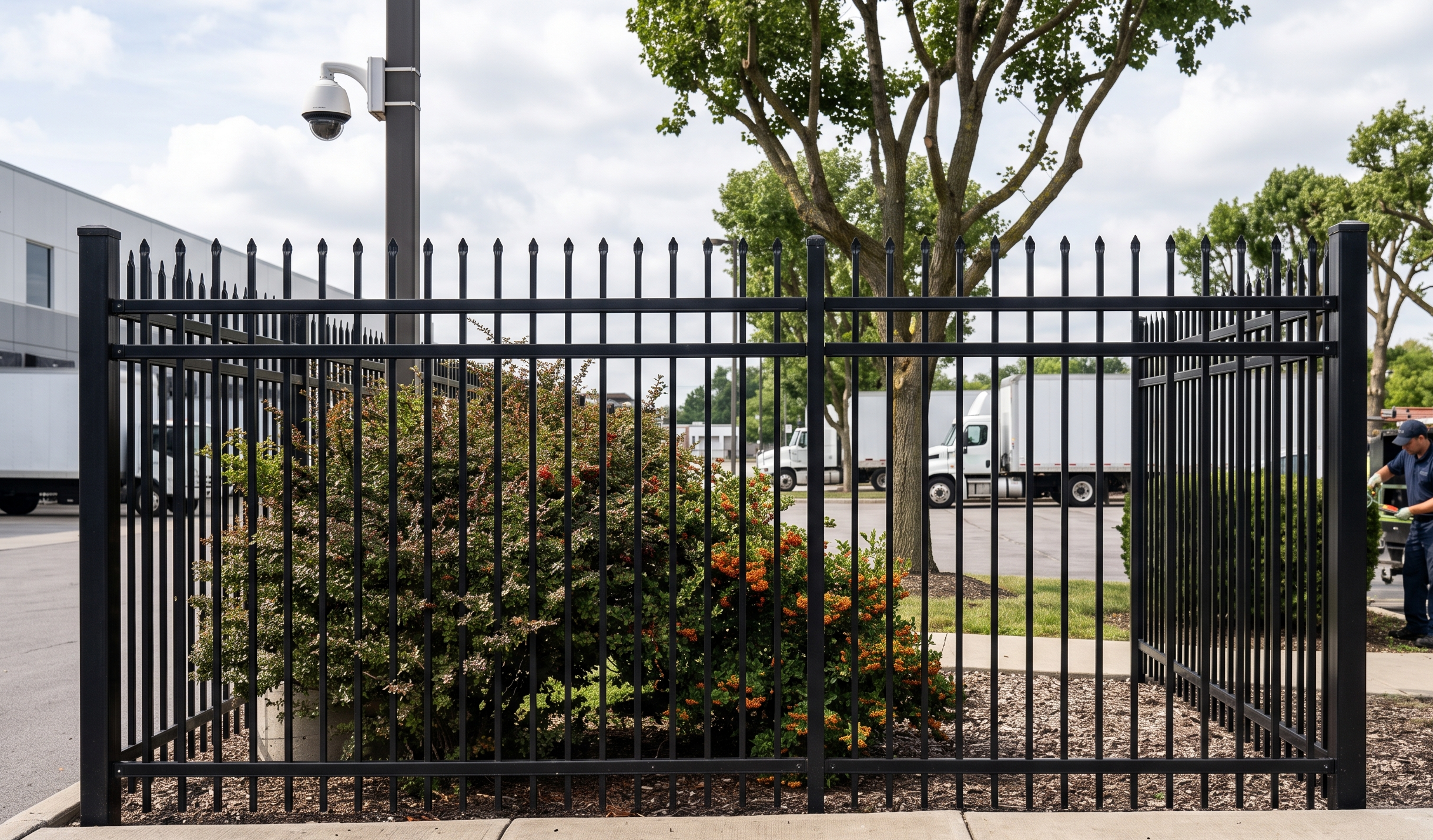
Managing an industrial park across Buffalo, NY, Cheektowaga, Lackawanna, and the broader Erie County region requires balancing heavy logistics operations, worker safety, and visual appeal. While professional groundskeeping elevates property market values, unmanaged vegetation, dark perimeter zones, and obscured sightlines invite unauthorized access, cargo theft, and liability claims—especially along high-traffic freight routes near the I-90, I-190, and Peace Bridge border corridors.
At 10x Landscaping, our commercial field crews work directly with Western New York property managers, facility directors, and security teams to convert commercial grounds into an active physical defense layer. By implementing Crime Prevention Through Environmental Design (CPTED) principles, selecting hardy regional plantings, and maintaining strict seasonal pruning, your landscape can protect assets year-round—from summer growth spurts to intense Lake Erie winter storms.
1. The Power of CPTED in Western NY Commercial Grounds
Crime Prevention Through Environmental Design (CPTED) is a proven strategy for deterring unwanted activity through deliberate outdoor layout. In a Buffalo industrial setting—where high-value warehousing, manufacturing equipment, and 24/7 cross-border logistics traffic coexist—commercial landscaping plays a critical role in natural surveillance and access control.
Core CPTED Principles for Buffalo Industrial Properties:
- Natural Surveillance: Arranging trees, hedges, and turf so human activity is clearly visible from guard shacks, office windows, driving lanes, and security cameras.
- Natural Access Control: Utilizing natural features like stone retainers, raised earth berms, dense hedges, and bioswales to guide truck and foot traffic along designated, well-lit corridors.
- Territorial Reinforcement: Establishing crisp boundaries between public roads (such as Broadway, Seneca St, or NYS Route 5), semi-private visitor parking, and restricted loading dock bays.
When CPTED guides your grounds maintenance, outdoor spaces actively discourage trespassing rather than giving intruders places to hide.
Frequently Asked Questions
Q: How does CPTED differ from standard commercial landscaping in Buffalo?
A: Traditional landscaping prioritizes aesthetic layout and curb appeal. CPTED incorporates those visual elements while strategically positioning plants, terrain, and hardscapes to eliminate camera blind spots, guide vehicle movement, and prevent unauthorized perimeter access.
Q: Can CPTED landscaping be retrofitted onto older industrial sites in Erie County?
A: Yes. Retrofitting typically involves elevating low tree canopies, replacing overgrown evergreen shrubs near entry gates with low-profile plantings, clearing fence lines, and upgrading perimeter lighting sightlines.
2. Mastering the “Window of Visibility” Rule
A common flaw in industrial facility maintenance is allowing overgrown plants to obscure camera angles or ground sightlines. Security personnel and surveillance systems cannot monitor what foliage conceals.
To maintain clear line-of-sight across truck yards, parking areas, and perimeter fences, follow the 3-to-8 foot rule:
- Keep Low Vegetation Under 3 Feet: Shrubs, ornamental grasses, and decorative ground covers planted near gatehouses, pedestrian paths, fence lines, and parking areas must be maintained below three feet. This eliminates low-level concealment zones.
- Elevate Tree Canopies Above 8 Feet: Shade trees located near driving lanes, footpaths, and boundary fences should have lower limbs pruned up to a minimum of eight to ten feet from the ground.
Maintaining this open vertical band gives guard patrols and high-definition security cameras an unobstructed line of sight across your entire facility.
+———————————————————————————–+
| THE 3-TO-8 FOOT VISIBILITY WINDOW |
+———————————————————————————–+
| [Above 8 Feet] Elevated Tree Canopy Clearance (Unobstructed Overhead View) |
+———————————————————————————–+
| [3 to 8 Feet] CLEAR VISIBILITY WINDOW (Open Sightlines for Cameras/Guards) |
+———————————————————————————–+
| [Under 3 Feet] Low-Profile Shrubs & Ground Cover (No Concealment Zones) |
+———————————————————————————–+
Frequently Asked Questions
Q: What if local Cheektowaga or Buffalo municipal codes require boundary screening?
A: Many Western New York municipalities mandate dense perimeter screening when industrial sites border residential neighborhoods. In these instances, we install tall, thick evergreen screening along the outer border while preserving the open 3-to-8 foot visibility window along internal drives, parking areas, and building perimeters.
Q: How frequently should trees be trimmed to maintain visibility during Western NY growing seasons?
A: High-growth tree varieties require selective canopy pruning two to three times between May and September, followed by a dormant structural prune in late winter before snowmelt.
3. Integrating Landscape Planning with Security Lighting and CCTV
Modern logistics hubs rely on high-definition camera arrays and high-output LED perimeter illumination. However, expensive surveillance equipment is rendered useless when unpruned branches block camera lenses or cast dark shadows across walkway paths.
Strategic Integration Steps:
- Camera Cone Pruning: Conduct biannual camera audits—once during spring leaf-out and once in autumn. Prune branches that sway into camera fields, trigger false motion alerts, or obstruct infrared night vision.
- Shadow Mitigation: Position shade trees so their mature canopies will not block pole-mounted LED lighting. Overhead light filtering through dense tree branches creates dark shadow pockets ideal for trespassing.
- Reflective Hardscaping: Incorporate light-colored crushed stone, river rock, or concrete pavers along building perimeters and alleyways. These surfaces bounce light effectively, improving nighttime camera sensor clarity.
Frequently Asked Questions
Q: How do wind-blown branches impact security budgets?
A: Branches growing too close to security sensors trigger frequent false motion alarms during high-wind events off Lake Erie. This results in costly guard dispatch fees, system downtime, and operator fatigue.
Q: What lighting layout works best with industrial landscaping in Buffalo?
A: High-efficiency LED pole fixtures deliver uniform light over parking lots and staging areas. At pedestrian levels, low-voltage LED bollards along pathways illuminate walking routes without creating camera glare or heavy shadows.
4. Defensive Planting: Natural Perimeter Deterrents
While perimeter fencing is standard for Buffalo industrial parks, chain-link and wrought-iron structures can be climbed or cut. Defensive landscaping uses thorny, resilient plant species to reinforce boundary fences without turning your commercial estate into a fortress.
Resilient Defensive Species for Buffalo, NY:
- Thorny Shrubs: Planting dense, thorny shrubs directly beneath ground-level windows, along fence lines, or near drainage culverts forms a formidable natural deterrent. Highly effective local varieties include Pyracantha (firethorn), Berberis (barberry), and Rosa rugosa (shrub rose).
- Dense Evergreen Barriers: Species like American Holly (Ilex opaca) and hardy Juniper form dense, year-round green walls that resist winter road salt while stopping unauthorized foot travel.
- Hostile Ground Covers: Spiky, low-growing ground covers discourage loitering around utility pads, exterior storage yards, and transformer boxes.
Combined with commercial security fencing, defensive planting doubles perimeter protection while enhancing property aesthetics.
Frequently Asked Questions
Q: Do defensive thorny plants present risks to maintenance crews or staff?
A: When correctly planned, defensive plantings are positioned away from primary pedestrian pathways—specifically under ground-floor windows or along perimeter fence lines. Our commercial maintenance teams utilize long-reach trimming equipment and protective gear for safe upkeep.
Q: Can these defensive plants survive severe Buffalo winters and road salt splash?
A: Yes. Species such as Barberry, Firethorn, and Rugosa Rose are selected specifically for Western New York conditions because they tolerate heavy snow loads, road salt spray, wind gusts, and poor soil types.
5. Protecting High-Risk Operational Zones
Industrial facilities house distinct zones requiring tailored landscape strategies based on security risk levels:
| Industrial Zone | Landscape Security Strategy |
| Loading Docks & Freight Bays | Zero tall foliage. High-durability turf or gravel beds to maximize truck driver visibility. |
| Utility Hubs & Storage Yards | Clear 5-foot clearance around transformer boxes, HVAC units, and fuel tanks for rapid inspection. |
| Visitor Parking & Entryways | Low-profile shrubs, seasonal flower beds, elevated canopy trees, and foot-level bollard lighting. |
| Perimeter Fences & Gatehouses | Clear 3-foot cutback on both sides of fencing with thorny defensive shrubs beneath fence lines. |
Segmenting grounds management by operational risk keeps high-value inventory secure while maintaining attractive front-office curb appeal.
Frequently Asked Questions
Q: Why is a 5-foot clear buffer required around industrial utility equipment?
A: Maintaining a clear perimeter around electrical transformers and mechanical units enables security officers and utility technicians to inspect gear quickly for tampering, leaks, or overheating while removing flammable dry debris.
Q: What is the best low-maintenance surface for high-volume truck staging areas?
A: Crushed limestone, heavy granite gravel beds, or reinforced concrete hardscapes are ideal around freight docks. They withstand heavy diesel exhaust, oil drippings, and heavy trailer vibration far better than natural turfgrass while maintaining clean sightlines.
6. Lake-Effect Storm Readiness & Proactive Tree Care
A neglected property signals weak security and inconsistent oversight to potential trespassers. In Buffalo, commercial grounds care also requires aggressive winter storm preparation to prevent storm-induced property damage and security lapses.
Winter & Storm Readiness Protocols:
- Hazardous Branch Removal: Dead or damaged tree limbs pose severe risks during heavy lake-effect snowfalls and severe windstorms. Heavy snow loads can snap weak limbs onto perimeter security fences, gate operators, parked cars, or power lines.
- Building & Roof Clearance: Prune tree canopies back at least 10 feet from rooflines and exterior walls. Overhanging limbs serve as natural access ladders for intruders and drop leaves that clog commercial roof drains during heavy rain.
- Priority Gate & Sightline Clearance: Contract with a commercial grounds team that provides 24/7 priority emergency response to clear fallen trees or snowdrifts blocking guard gates, main access roads, and camera sightlines.
Frequently Asked Questions
Q: How do overhanging tree limbs create roof security hazards?
A: Large limbs growing near building walls provide physical leverage for unauthorized individuals attempting roof access. Furthermore, accumulated foliage clogs roof drainage systems, causing standing water that damages roof structures and overhead security sensors.
Q: What should an industrial park storm readiness contract include?
A: A comprehensive commercial agreement should feature pre-winter hazard tree inspections, 24/7 emergency dispatch guarantees, priority snow and branch clearance for primary freight gates, and immediate post-storm sightline reviews.
7. Commercial Security Landscaping & Industrial Grounds Care Near Me
When facility directors search for industrial park landscaping near me or specialized commercial grounds management near me in Buffalo, NY, local proximity and fast response times are critical. Commercial properties in Erie County require a trusted local contractor who understands regional municipal codes, lake-effect winter demands, and commercial security integration.
Serving Buffalo & Surrounding Industrial Corridors
10x Landscaping delivers CPTED-compliant grounds maintenance throughout Buffalo, NY, and key regional industrial hubs, including Kennedy Industrial Park (Cheektowaga), Steelworks Industrial Park (Lackawanna), the Northland Corridor, and distribution centers along I-90/I-190. Our local field teams provide routine grounds care and rapid emergency response for:
- Logistics hubs, 3PL warehouses, and cross-border distribution centers
- Manufacturing complexes and heavy industrial facilities
- Corporate office parks and research campuses
- Flex-space commercial properties and equipment storage yards
+————————————————————————————+
| BUFFALO, NY SERVICE RADIUS & COVERAGE |
+———————————–+————————————————+
| PRIMARY SERVICE HUB | Buffalo, NY (Erie County) |
+———————————–+————————————————+
| EXTENDED SERVICE REGION | Cheektowaga, Lackawanna, Amherst, Tonawanda |
+———————————–+————————————————+
| EMERGENCY CLEARANCE RESPONSE | Priority Within 2 Hours for Contracted Hubs |
+———————————–+————————————————+
Whether your facility requires routine sightline trimming, hazard tree removal, winter snow management, or full CPTED landscape redesign, partnering with a local commercial contractor ensures your property stays secure, compliant, and well-maintained.
Frequently Asked Questions
Q: How do I select a commercial landscaping company near me equipped for large Buffalo industrial parks?
A: Select a commercial contractor with dedicated heavy machinery, CPTED landscaping experience, multi-million dollar commercial liability insurance, and proven experience working alongside industrial security personnel.
Q: How quickly can 10x Landscaping respond to storm damage blocking an industrial gate in Buffalo?
A: Contracted commercial accounts receive priority dispatch—typically within 2 hours—to clear downed trees, restore camera sightlines, and keep logistics traffic moving smoothly.
Local Operations Hub & Google Business Profile
Visit our local operations facility or schedule an on-site property evaluation with our commercial grounds team:
Build a Safer, Sharper Industrial Facility with 10x Landscaping
Your industrial park’s exterior environment does more than create a first impression for commercial tenants—it serves as the frontline of your site security plan. By integrating CPTED design, defensive plant selection, disciplined sightline pruning, and winter storm readiness, you protect tenants, the workforce, and valuable inventory.
At 10x Landscaping, we specialize in commercial property care, industrial grounds management, and CPTED-compliant landscape solutions across Buffalo, NY, and Western New York.
Ready to enhance your industrial park’s security, visibility, and curb appeal?
Contact our commercial team today at 10xlandscaping to schedule an on-site property audit and security landscape assessment.
Frequently Asked Questions
Q: How do we schedule a security landscape audit for our Buffalo industrial park?
A: Contact our commercial team at 10xlandscaping. We will walk your property, evaluate camera sightlines, identify perimeter security risks, and provide a customized maintenance and CPTED enhancement proposal.
Q: Can 10x Landscaping coordinate directly with our site security firm?
A: Yes. We routinely partner with facility security managers, guard firms, and surveillance vendors to align our pruning schedules, lighting clearance, and plant selection directly with your physical security strategy.